One approved scope
What is being prepared, what it should cost and what remains outside the plan.

Comprehensive FAQ
Understand where we can begin, how a property is chosen, how funding and responsibilities are agreed, what Rudraleela manages and how owners stay informed.
Property · Capital · Agreements · Preparation · Management · Reporting · Exit
Find your question
Start with the category closest to your concern. Every answer uses plain language for owners, people bringing capital and existing homestay operators.
What we do, who can approach us and what happens at the beginning.
Rudraleela helps people create and run homestay businesses. We can support the property search or review, business plan, architects and preparation work, registrations, people, bookings, guest operations, accounts and continuing management.
The exact work and relationship depend on where you are starting and what is agreed for the project.
You can speak with us if you have capital, suitable land, a home or building, a running homestay or an early idea you want to understand.
Where a property is already involved, we will later need to know who owns it and who else must agree before it can be used.
No. We can begin before a property is selected, with suitable land, with a home or building in its present condition, or with an existing homestay that needs stronger management.
No. Rudraleela is based in Varanasi and considers projects across India. The decision depends on the location, property, local rules, access, operating requirements and whether we can responsibly support the work.
Start with the short enquiry. Share your contact details, location, starting point and anything you want us to know. A member of our team will speak with you before asking for property records, photographs, plans or financial information.
No. The enquiry begins a conversation. It does not require you to accept a proposal, spend money, form an entity or sign a partnership. It also does not require Rudraleela to accept a project.
How we decide whether a home, building, land or running operation is worth deeper work.
A suitable property combines clear ownership, a workable legal and physical position, safe access, adequate utilities, usable guest and service spaces, a reason for people to stay, a fundable preparation requirement and owners who agree on the direction.
A beautiful building is helpful, but it is not enough on its own.
Neither can be considered alone. A strong location may support a modest building if it can be prepared well. A remarkable building may still struggle if guests cannot reach it, the destination has weak demand or the operating cost is too high.
No. Current condition is one part of the property review. We identify what exists, what needs repair or completion, which approvals may be relevant and whether there is a credible route to prepare and operate the property.
Yes. The land must have a clear title, a practical right to build, safe access, workable water and power, and a business case strong enough to justify development. Land is assessed before design work begins.
Yes. We review the present rooms, guest experience, team, listings, pricing, accounts, maintenance and owner involvement. The question is whether stronger management can create enough improvement to justify working together.
That is not an automatic rejection. We look at the actual approach, vehicle access, luggage movement, emergency access, seasonality and how clearly the arrival can be managed. Some remote properties are strong homestays; some are too difficult to operate safely.
Common reasons include unclear ownership, unresolved family consent, unsafe or impractical access, restrictions that prevent the proposed use, utilities that cannot support guests, preparation costs that do not fit the business case, weak demand or expectations that cannot be supported by the property.
What remains with the owner and what authority the operating business needs.
No. A homestay management partnership does not automatically transfer ownership of the land or building to Rudraleela. The property remains with its legal owner unless a completely separate property transaction is deliberately agreed.
All owners whose rights are affected must be identified. The partnership cannot be built on one person’s approval when another owner can later prevent access, guest use, work or the agreed operating term.
Yes, if the inheritance and present ownership position can be shown clearly. Where mutation, succession, family settlement or co-owner consent is incomplete, that issue is identified before the property moves deeper into planning.
Possibly. We need to understand the lender’s rights, restrictions, existing charge and whether the proposed use or agreement requires consent. The property cannot be structured as though the mortgage does not exist.
Owner use can be built into the property plan. The agreement should state which areas remain private, how owner dates are requested, how confirmed guest bookings are protected and whether owner stays create any operating cost.
The agreement should state the notice, buyer information, existing booking treatment, operating rights and handover consequences if the owner decides to sell. A sale cannot be treated as though guests, staff, suppliers and project balances do not exist.
How preparation money, operating cash, owner payments and business earnings are treated.
It depends on the selected route. The owner may fund the approved preparation, the project may use a separate capital arrangement, or the property may already be ready enough to need limited work. The source, amount, permitted use and treatment of that money are agreed before work begins.
No. A five-room home, a property needing substantial work and a new land development cannot share one standard budget. The amount follows measured work, required services, furniture, registrations, opening cash and a reasonable contingency.
We first decide whether the property is strong enough to support a capital-assisted structure. Funding is not automatic. The expected business must be capable of carrying operating obligations and the agreed recovery of approved capital.
Rudraleela may consider private, property-specific development conversations where a suitable property and operating plan come first. This is not presented as an open public investment product or a promise of a fixed return.
No general income promise is made on this website. Any owner payment, minimum commitment or priority amount must be supported by the property plan and written into the signed property-specific agreement. Occupancy, revenue and profit should not be treated as guaranteed merely because a property is accepted for review.
Revenue is the money received from guests and other approved property activity. It is not the amount available to divide. Taxes, refunds, platform costs, payroll, supplies, utilities, maintenance, reserves and other agreed obligations are handled before distributable earnings are calculated.
When approved project capital is used, the agreement sets out how much was contributed, what it funded, whether a limited return applies and where repayment sits in the cash priority. Capital recovery is kept separate from ordinary operating costs and the later division of residual earnings.
The cause and revised requirement are documented. Work outside the approved budget does not become an automatic owner obligation. The parties decide whether to change the scope, approve additional capital, delay part of the work or stop before creating a larger exposure.
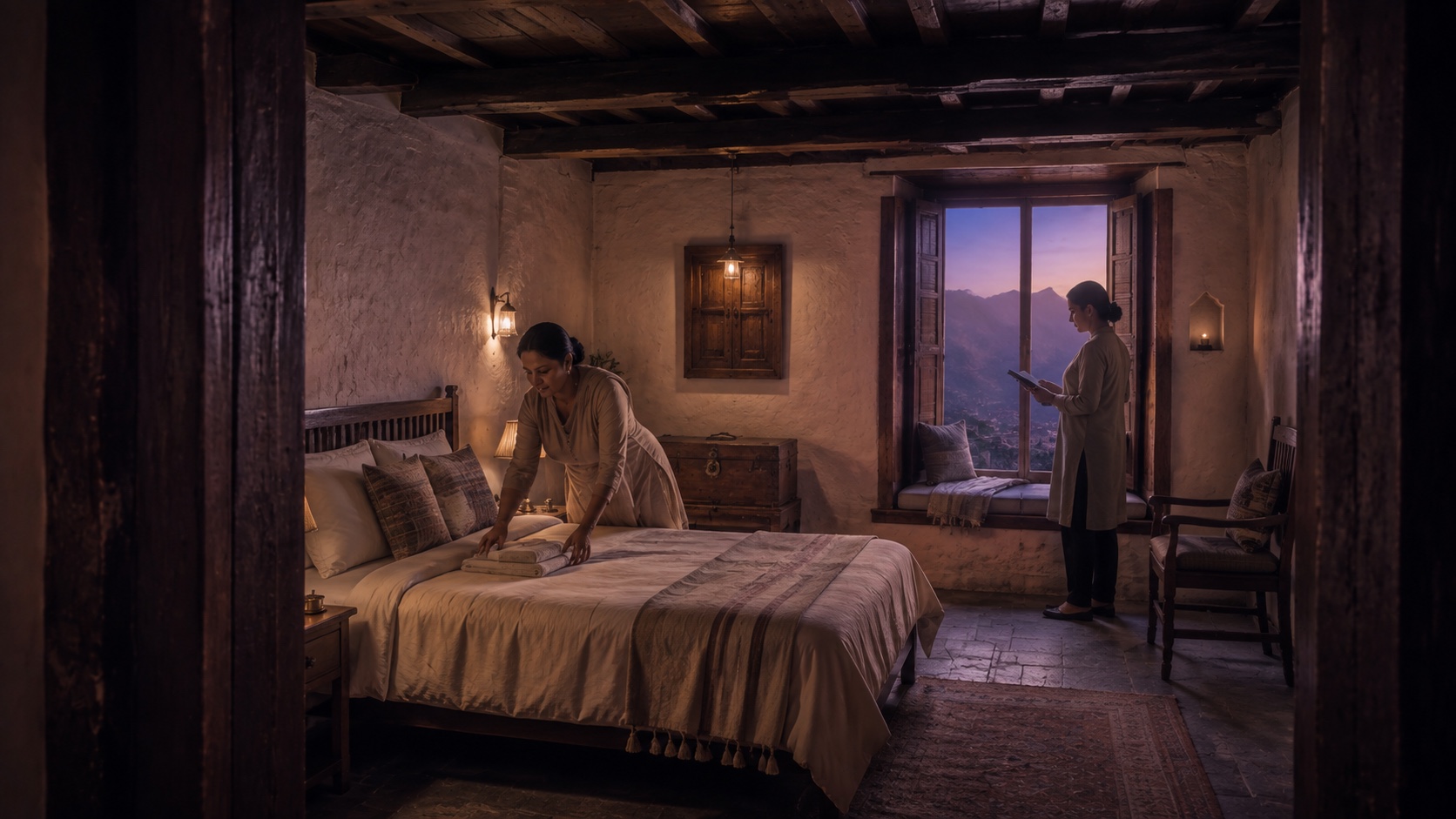
The questions become more specific as the property moves from assessment into preparation.
What clarity should cover
Owners should be able to see how a decision moves from the property plan into a budget, an approval, completed work and a recurring report.
What is being prepared, what it should cost and what remains outside the plan.
Who makes the decision, who carries out the work and who confirms completion.
Preparation capital, operating cash, expenses, reserves and owner amounts kept separately understandable.
Property, guest, people, maintenance and financial issues brought together consistently.
How the structure is chosen and what must be clear before either side signs.
No. An LLP may be suitable when both sides are participating in a property business together, but it is not forced onto every situation. The right structure follows the property rights, capital, tax position, operating responsibility and the relationship the parties are actually creating.
No. There is no percentage that can responsibly describe every property. The proposal follows what each side contributes, who funds preparation, the work and responsibility Rudraleela accepts, the operating term, owner rights, capital recovery and the risks carried by each side.
After the property, ownership, preparation requirement, likely business and capital route have been studied. The percentage is an output of the plan, not the first fact placed in front of the owner.
Depending on the structure, the documents may include property-use rights, an LLP or shareholders agreement, management responsibilities, capital terms, owner-use rules, approval limits, accounts, reporting, intellectual property, confidentiality, default and exit.
Yes. The owner receives the proposed structure, responsibilities, property rights, capital treatment, decision boundaries and exit position before signing. Questions and requested changes should be dealt with at that stage rather than left to informal understanding.
Yes. Enquiries, calls, site visits, document checks and proposals are steps toward a decision. Until the relevant agreements are signed, either side can decide not to continue.
What happens between an accepted plan and the first guest arrival.
The schedule depends on the present condition, documents, approvals, construction, procurement, hiring and season. A property needing substantial work or a new land development requires a longer path. The project schedule is prepared only after the work is understood.
Rudraleela develops the direction from the property, place, likely guest, owner priorities and operating reality. The owner reviews the proposed room plan, retained areas, major work, positioning and capital before dependent work begins.
That is not the objective. The property should retain the material, story and domestic character that make it worth choosing. We add the comfort, safety, durability and service systems needed to operate well without making every home look the same.
Rudraleela coordinates the workstream and keeps the requirements visible. The exact registrations and responsible applicant depend on the state, local authority, building, ownership and business structure. Owners must provide the records and signatures that only they can provide.
Rudraleela manages the approved preparation scope, quotations, vendors, procurement and progress controls within the authority and budget agreed for the property. Major changes or unplanned spending above the agreed limit return to the owner for approval.
Only when the property, team, systems, registrations and guest experience are sufficiently ready. Opening inventory, pricing, cancellation rules and channels are tested before the property is exposed to normal demand.
The opening is closely monitored. Rudraleela reviews room readiness, guest questions, service timing, housekeeping, food, pricing, supplier gaps, maintenance and reporting, then corrects the early operating problems before they become habits.
The people, systems and daily decisions required after the property opens.
The agreed scope may include pricing, availability, listings, enquiries, reservations, guest communication, check-in, housekeeping, food service, people, suppliers, routine purchases, maintenance, reviews, accounts and owner reporting.
Rudraleela manages ordinary pricing and offers within the approved positioning and operating authority. Rates change with season, demand, room type, booking window, channel cost and the property’s performance rather than remaining fixed all year.
Rudraleela defines roles, supports recruitment, trains the team, sets schedules and manages day-to-day standards within the approved staffing plan. The employment structure and payroll responsibility are set for the specific property business.
No. Romancha is Rudraleela’s zero-commission travel platform and may be one distribution channel. The property may also use direct booking and selected travel platforms where they improve demand, guest fit or market reach.
The operating team responds first to protect the guest and property. The issue is recorded, assigned and closed. Serious safety, legal, financial or property matters are escalated to the owner according to the agreed decision limits.
Routine maintenance within the approved limit can be handled without delaying daily operations. Larger, structural or unplanned work is presented with the problem, proposed solution, cost and approval required.
The property needs one operating chain of command. Owner priorities and protected decisions remain important, but daily instructions should flow through the agreed management system so the team is not receiving conflicting directions.
We review pricing, channel mix, enquiry conversion, guest feedback, room issues, service cost, staffing, maintenance and destination demand. Improvements are tested against the property’s position rather than applied as generic hospitality tactics.
How owners remain informed and what happens when performance or the partnership changes.
The reporting format is designed to bring bookings, income, costs, cash movement, owner payments, capital balances, taxes, maintenance, incidents and open decisions into one recurring statement. The exact attachments follow the property and structure.
Protected decisions normally include structural work, material change of use, unplanned spending above the agreed limit, debt or security involving the property, changes to owner use, changes to the economics and major exit or handback decisions.
Rudraleela reviews the cause rather than hiding it inside a broad explanation. Pricing, demand, reviews, service, channel performance, costs and the original assumptions are examined. The response may involve operational changes, revised spending, repositioning or a decision that the model should not continue unchanged.
The team records the incident, preserves evidence, follows the booking or deposit process and arranges urgent protection of the property. Recovery depends on the guest, platform, insurance and circumstances. Any remaining cost is handled according to the property agreement and approved operating rules.
Yes, through the notice, default or other exit provisions agreed for the property. The operating term matters because staff, accepted bookings, suppliers, capital and preparation work cannot be closed responsibly overnight.
The exit plan states whether bookings will be honoured, transferred or cancelled, who communicates with guests, how deposits and refunds are handled and when listings stop accepting new reservations.
The review closes without creating a partnership. Where possible, we explain the main reason: ownership, consent, access, rules, utilities, preparation requirement, demand, capital or owner alignment. A declined property may be reconsidered if a named condition materially changes.
What management means
A homestay becomes dependable through ordinary work done repeatedly: pricing, communication, rooms, food, people, supplies, maintenance, records and owner decisions.
Availability, pricing, reservations, guest information, team schedule and room readiness.
Welcome, housekeeping, food, local guidance, issue handling and property care.
Room checks, feedback, review response, damage record and the next arrival cycle.
Accounts, owner statement, maintenance position, open decisions and performance review.

A comfortable guest experience rests on clear routines, trained people and accountable decisions.
Still have a question?
The short enquiry gives us enough context to arrange the right first conversation. Detailed property and financial information comes later.
Start a conversation ↗Private enquiry · About one minute · No commitment