01
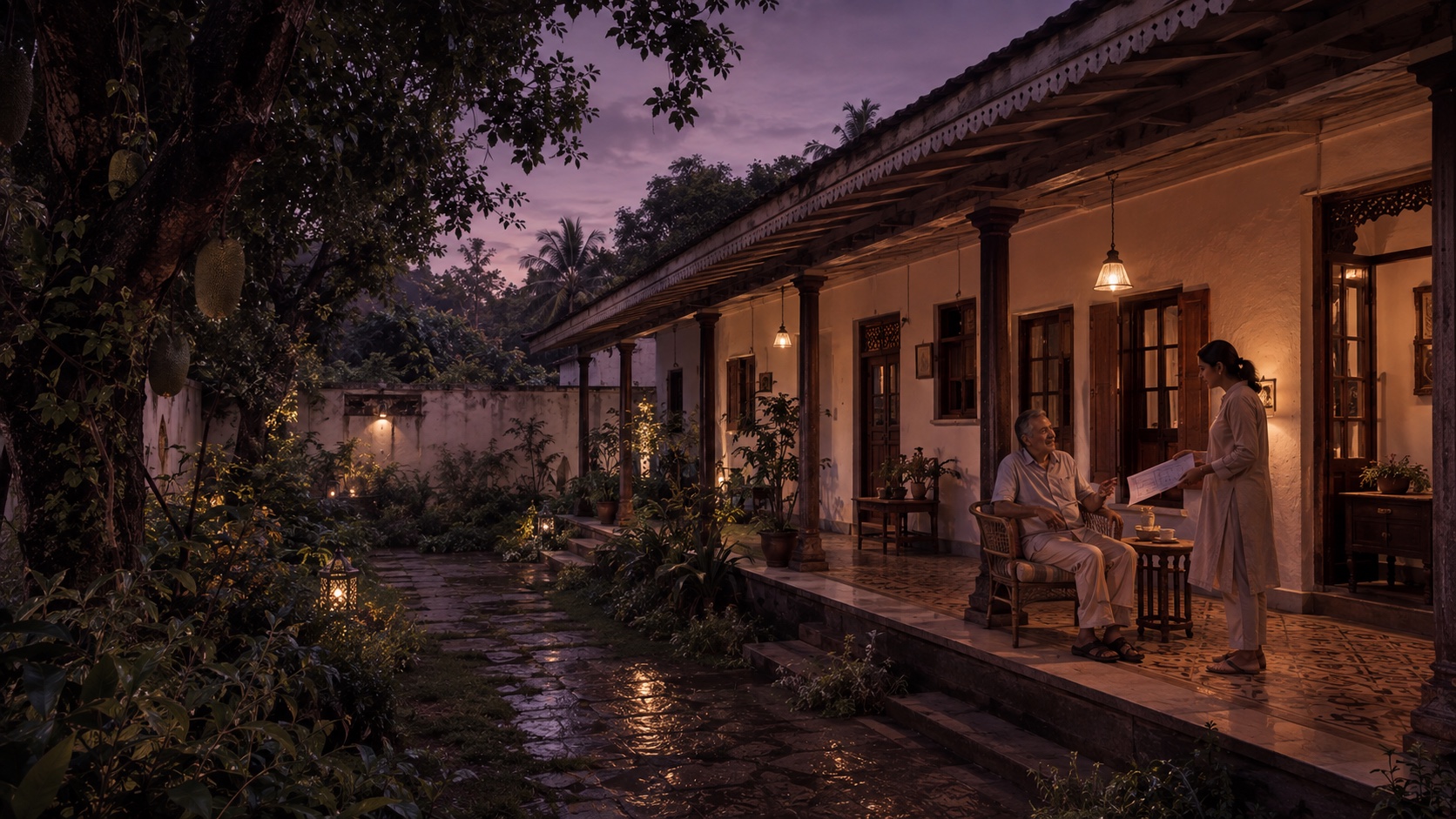
A home or building
A lived-in, vacant or occasionally used property that may be prepared for guests without losing what makes it distinctive. Its present condition is assessed as part of the property review.
Property eligibility
A finished home is not required. What matters is whether the ownership, location, building or land, preparation requirement and owner expectations can support a well-run homestay business.
Homes and buildings · Land · Running homestays
Three property positions
You may bring us a home or building in its present condition, suitable land or an existing homestay. Each route needs different evidence, work and capital before it can become a partnership.
A lived-in, vacant or occasionally used property that may be prepared for guests without losing what makes it distinctive. Its present condition is assessed as part of the property review.
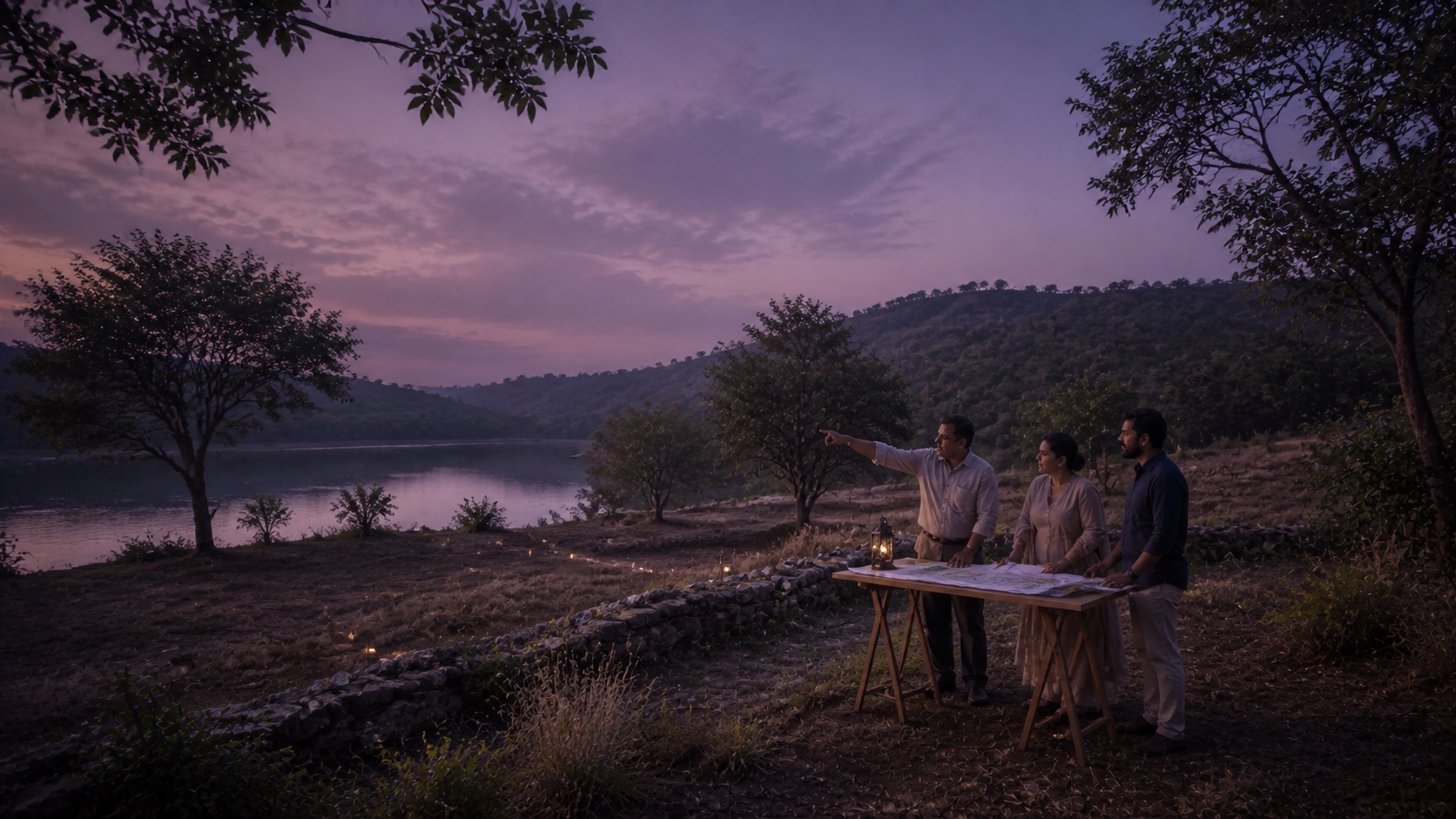
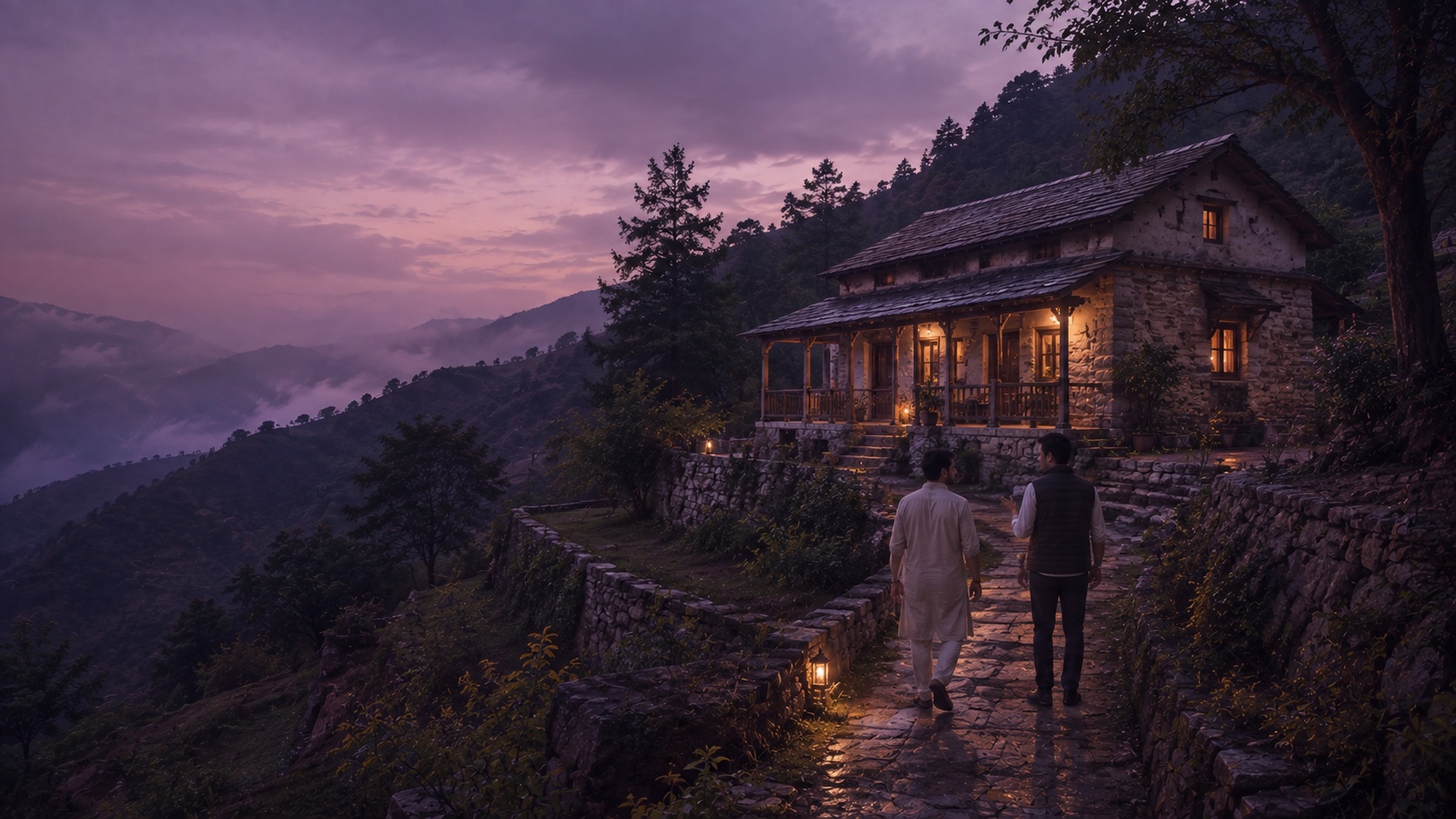
A plot with a defensible right to build, workable access and utilities, and a location capable of supporting a purpose-built homestay.
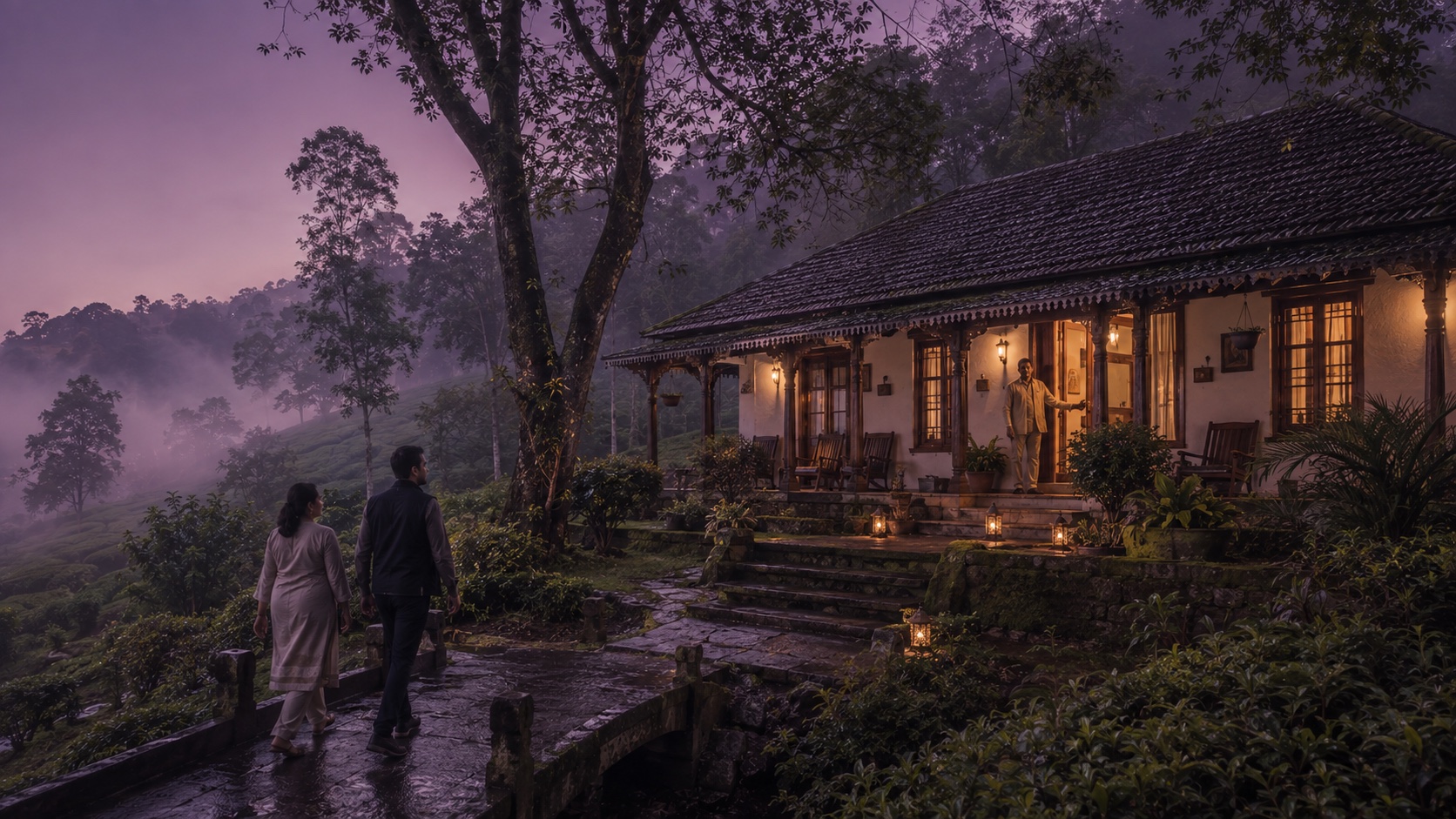
An operating property that needs stronger pricing, distribution, people, standards, reporting or complete day-to-day management.
The assessment
No single feature approves a property. A beautiful view cannot fix unclear ownership, and a strong building cannot create demand where the business case does not work.
The owner or authorised representative must be able to show ownership, authority and the consent of relevant co-owners or family decision-makers.
The current building or proposed development must have a realistic route through the rules that apply in its state and local area.
Guests, staff and emergency support need a safe and understandable way to reach, enter and move through the property.
Daily utilities and backup arrangements must be capable of supporting the proposed number of rooms through peak periods.
The property needs room for guests, shared use, housekeeping, storage, food service and staff work without constant conflict.
The property, setting or surrounding destination must offer a clear reason for a guest to choose it at a workable price.
Repairs, construction, furniture, systems and opening cash must be measurable and capable of being funded through an agreed route.
The owner must be comfortable with guest use, operating standards, decision boundaries, reporting and the time needed to build the business.
The decision
Early interest is not approval. We separate promising properties from properties that need conditions resolved and properties that should not move forward.
The early facts are strong enough to justify documents, a site visit and a property-specific plan.
Move to a detailed property reviewThe opportunity may work, but a title issue, consent, access, utility, design or capital question must be resolved first.
Resolve named conditions, then review againThe property cannot presently support a responsible Rudraleela partnership or the required work would not be proportionate.
Close the review clearly and early
The plan begins with what can be proved, used and prepared—not with a standard room count.
Homes and buildings
We look beyond the façade. The room arrangement, circulation, privacy, service work, structure, water, power and operating cost determine whether the building can work every day.
Useful room sizes, ventilation, bathrooms, sound, safety and a consistent level of comfort.
A workable separation between guest spaces, owner-retained areas and daily service movement.
A measurable list of repairs, completion, services, furnishing, safety and opening preparation.
Housekeeping, food, storage, staff, waste, maintenance and access through every season.
What to prepare
You do not need to send every record with the first form. Start with the basic facts. We request deeper documents only when the opportunity justifies the next step.
Do not upload original irreplaceable documents. Clear scans or photographs are enough for an initial review. Verification happens only when the property moves to the appropriate stage.
Land without a building
For land, the question is whether a responsible homestay can be permitted, reached, serviced, built and operated at a cost the location can support.
Title, land category, local development rules, setbacks and the approval path.
Road rights, gradients, construction access, parking and safe guest arrival.
Water source, power, drainage, waste, communications and their continuing cost.
A room programme, capital plan and likely demand strong enough to justify development.
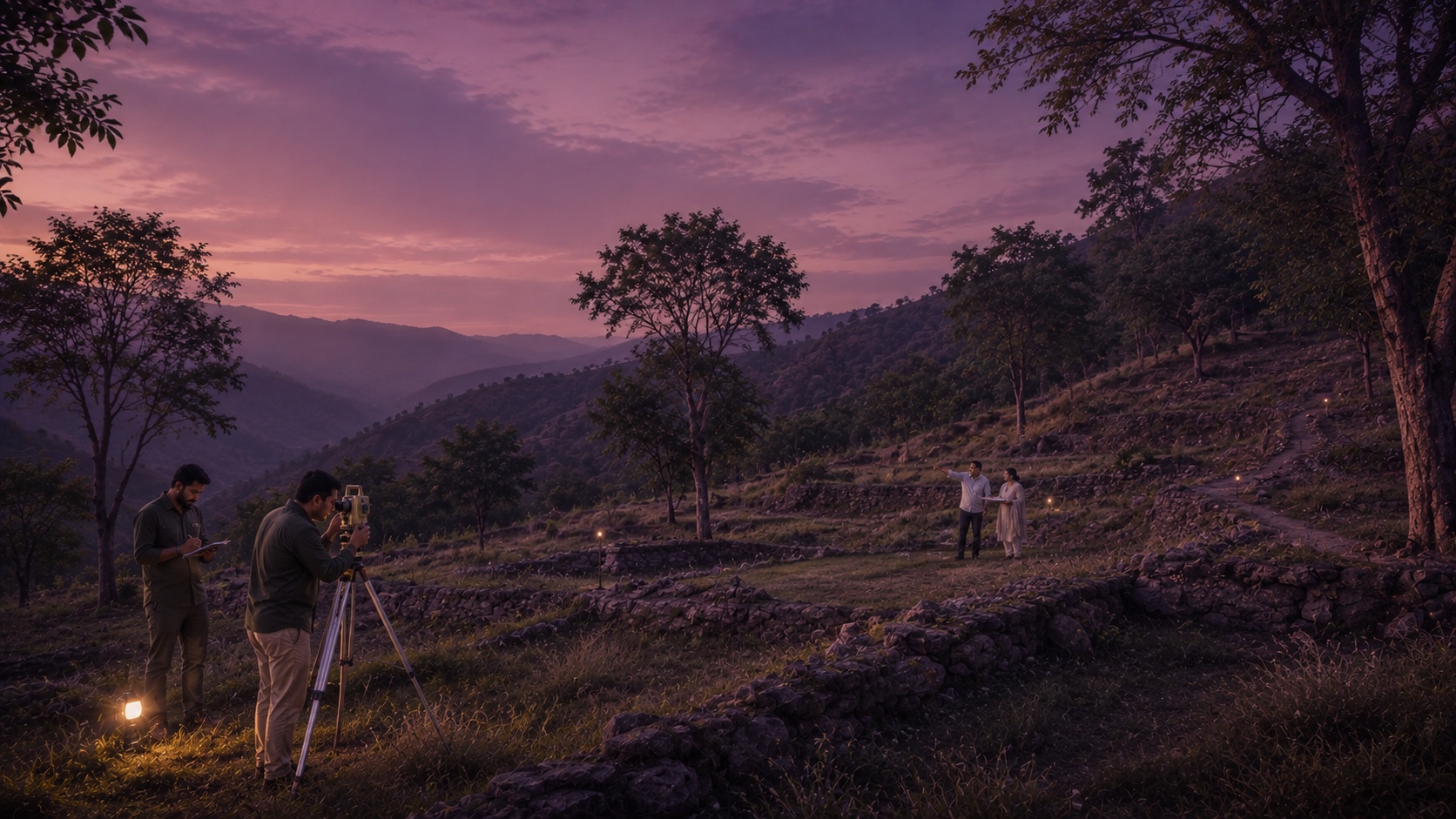
Before design begins, prove that the site can legally and practically carry the business.
What makes us pause
The title, boundary, inheritance position or authority to offer the property is unclear.
Essential structural, fire, access or utility risks do not have a practical remedy.
Demand, access, seasonality or achievable pricing cannot justify the required work and continuing cost.
There is no workable plan for construction, setup, opening cash or a reasonable contingency.
Important decision-makers disagree on guest use, money, control, owner stays or the long-term purpose of the property.
Income, opening date, valuation or involvement expectations depend on assumptions the property cannot reasonably carry.
How the review moves
The depth of review increases only when the earlier stage supports continuing. This protects both sides from spending time and money too early.
Location, ownership, condition, photographs and what you want the property to become.
Your priorities, concerns, capital position, owner-use needs and other decision-makers.
Relevant records, physical inspection, local context, utilities, access and preparation requirement.
Proceed, resolve named conditions, or close the opportunity before a partnership proposal.
Begin with the property
Tell us what you have, where it is and what condition it is in. We will first decide whether a deeper property review makes sense.
Discuss your property ↗Private enquiry · About one minute · No commitment